Unqualified Leads? The problem isn't the lead — it's your marketing system
Blaming leads for failure stalls your growth. Discover how to break out of the Restart Cycle™ and build a predictable sales system.

For years, that was my default explanation for deals that never closed. But over time, I came to realize an uncomfortable truth: "unqualified lead" is less a diagnosis and more a defense mechanism. It's the phrase we use to shut down the investigation at precisely the moment we should be asking the right questions.
The myth of the meeting that "sells itself"
Many entrepreneurs try to solve conversion problems only at the very end of the funnel: tweaking the sales script, training the team, or cutting prices. The trouble is that when a prospect arrives at the meeting without knowing your methodology, without understanding your value, and without trusting you, the sale stops being a confirmation and becomes a hard sell.
Trying to convince a stranger to make a significant investment in a single conversation is one of the most exhausting and fragile tasks in the business world.
Marketing is more than generating attention
We live in an era where attracting clicks is cheap and easy. But there is a vast difference between being known and being considered.
Attention is what your ad generates.
Trust is what your nurturing strategy builds.
Modern marketing has learned to measure the click, but still falls short when it comes to measuring trust — and that is exactly where the game is won. The easiest sales are the ones that happen before you even open Zoom or Google Meet.
The MPC System: Attract, Prepare, and Convert
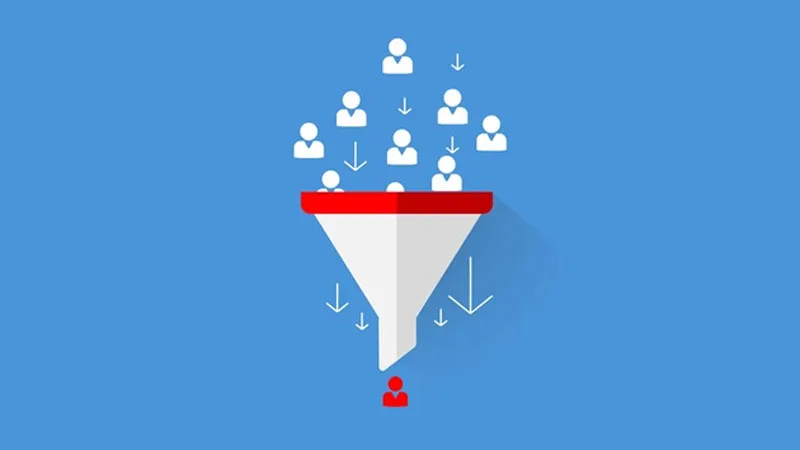
Companies that grow predictably are not simply "chasing more leads." They operate under a system where every touchpoint has a clear purpose:
Attract: The role of traffic and top-of-funnel content.
Prepare: The most overlooked stage, where the lead comes to understand their problem, your methodology, and your authority.
Convert: The closing meeting, which becomes effortless because the prospect has already made up their mind along the way.
Conclusion: Stop swapping tools and start building trust
When we stop labeling leads as "unqualified" and start examining what failed to happen between the first click and the meeting, everything changes. The goal shifts from "maximizing form submissions" to "raising the level of maturity and trust" in the people who reach you.
The question you should be asking yourself today isn't "how do I attract more people?" — it's: "what does this person need to know in order to arrive at the meeting already ready to buy?"
Want to go deeper on this topic?
Check out the common questions I address in the article:
How do you tell the difference between a poor fit and a lack of preparation?
What is the Restart Cycle™ and why does it eat so deeply into your profit?
How do you turn your marketing strategy into a trust-building engine?