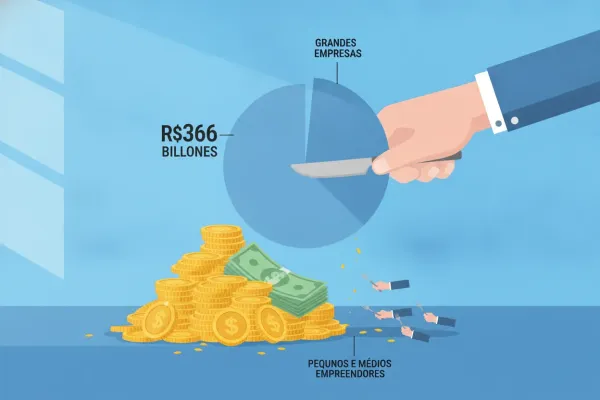
Have you ever worked with a leader who takes all the credit for positive results — that typical "protagonist boss"?
What can we learn from the example of national team coach Carlo Ancelotti?

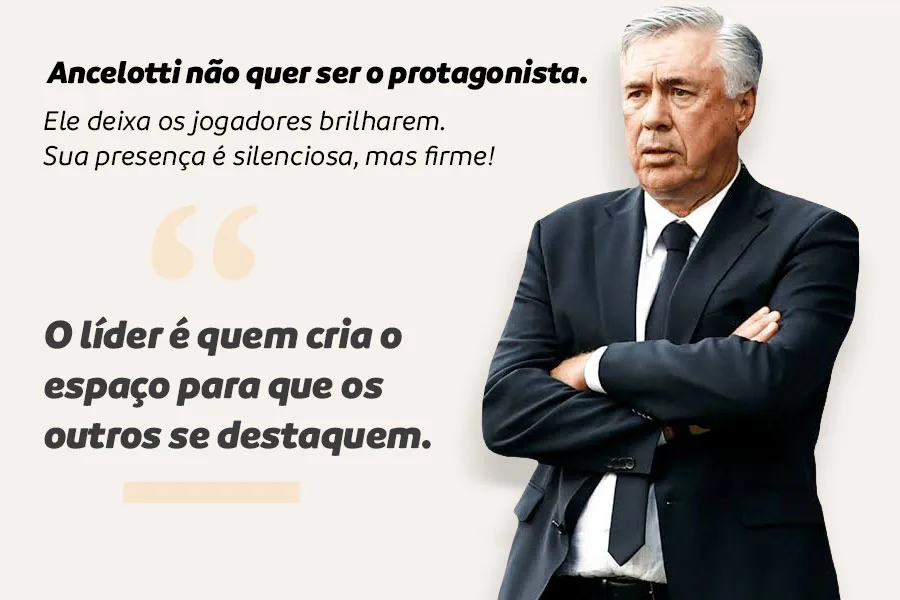
The current Brazilian national team coach, Italian Carlo Ancelotti, is widely recognized as one of the greatest managers in modern football. His leadership model distances itself from the excessive self-promotion adopted by many of his peers. Ancelotti stands out for his firm, discreet, and humble demeanor — qualities that earn players' loyalty and encourage similar behavior within the group, preventing outsized displays of ego. He states: "Victories belong to the team, while defeats are my responsibility." This approach reduces pressure on the players, who do not need to justify results to the press or the fans. When the team performs well, Ancelotti allows credit to be shared, reinforcing a sense of collective achievement.
When applying this concept to the business world, I am particularly fond of the book Built to Last, by Jim Collins. In his study of successful companies, Collins found that one of the defining characteristics of their founders or leaders was humility, paired with a strong will to win. These leaders attribute success to the team while taking personal responsibility for mistakes, feeling no need to constantly be in the spotlight. Other key characteristics of these leaders include:
Focus on long-term organizational improvement: They do not seek only immediate success, but build systems, cultures, and values that endure across generations.
They prioritize purpose: They place essential values and a greater purpose above short-term financial results.
They develop their successors: They prepare leaders from within the organization itself, ensuring business continuity even after the founder's departure.
Resilience and pursuit of continuous improvement: They do not focus on outperforming the competition at any cost, but consistently seek to improve their businesses, encouraging the surpassing of goals, navigating crises, and pursuing innovation.
A humble leader leaves a lasting legacy — not by having rooms or auditoriums named in their honor, but by building consistent results and a culture that ensures the longevity and sustainability of both the company and the team.
In a society that values follower counts and "likes," a humble and understated leadership style may not be highly regarded by the market. However, I am convinced that it makes all the difference for the team and the organization. The opposite — working with vain and arrogant leaders who seek to steal the team's credit — may deliver short-term results, but it is not sustainable in the long run.
What about you? What type of leader do you prefer to work with? Have you had experience with humble leaders or with those who seek the spotlight?